Utilizing Data to Improve Your Material Authority

The Shift Towards Anticipatory Logic in 2026
Browse behavior in 2026 has moved far beyond the simple entry of text into a box. Users now interact with a decentralized environment where AI agents and sensory user interfaces anticipate requirements before a complete query is even formed. This change marks a departure from conventional keyword matching, needing a more nuanced approach to digital communication. Organic growth strategies now prioritize the "why" behind a search over the "what," concentrating on the particular mental state of the user at the minute of discovery.The 2026 marketplace runs on predictive models that evaluate real-time context, such as a user's area, present job, and even physiological markers caught by wearable tech. When someone tries to find information, they anticipate the engine to comprehend their instant constraints. For those managing brand messaging, this means creating properties that respond to highly particular, situational concerns instead of broad market introductions. Success depends upon being the most relevant response in a very narrow window of time.
Classifying Intent in a Multi-Modal World
Intent category used to be split into 4 simple classifications: educational, navigational, transactional, and business. In 2026, these have actually fractured into lots of sub-intents based on the gadget being used. An inquiry made via a visual overlay through clever glasses has a different intent than a voice query made while driving. Content creators need to account for these variations by structuring information so it is quickly parsed by various interfaces.Modern organic strategies highlight the significance of specialized information delivery to fulfill these fragmented needs. Instead of a single long-form article, growth is typically found through clusters of content that serve different methods. A technical guide might be supported by short-form video bits and audio summaries. This guarantees that no matter how the user accesses the details, the intent is satisfied. Lots of organizations have actually seen significant returns by focusing on Asia Virtual Solutions Writing to anchor their authority in these niche sectors.
Refining Content Structures for AI Summarization
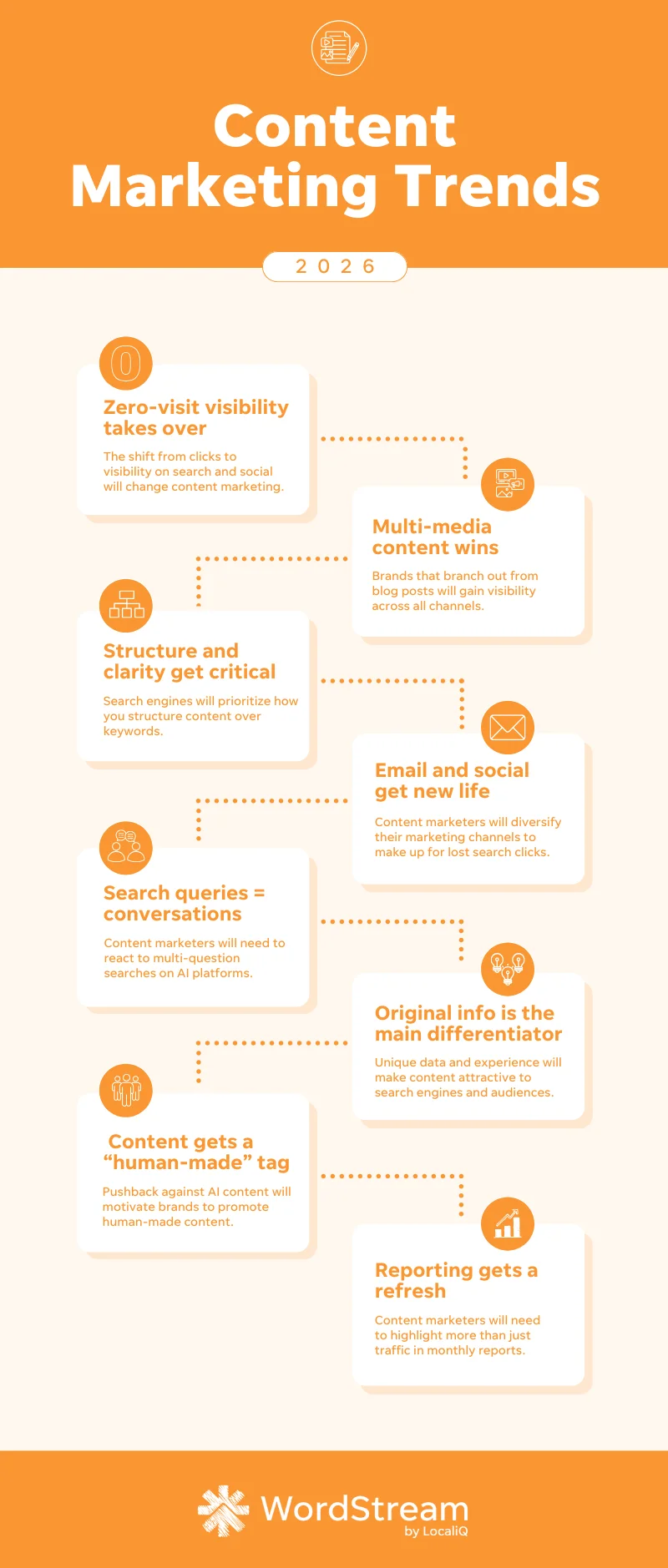
The rise of AI-driven response engines implies that a big part of searches in 2026 end on the outcomes page. Users get their answers from a created summary without ever clicking through to a site. This "zero-click" environment has forced a modification in how content is formatted. To keep exposure, it is required to supply clear, data-heavy points that AI models can quickly cite.Structuring data with clear hierarchies and schema markup is no longer optional. The goal is to become the main source for the AI's summary. This includes utilizing concise headings and bulleted lists that offer instant worth. While some fret about the loss of direct traffic, the brand name authority got from being a mentioned source in a 2026 search summary is tremendous. Asia Virtual Solutions Media Marketing Trends offers a way for companies to stay noticeable even when the user does not visit the actual site, as the trademark name stays attached to the offered answer.
The Role of Authority and First-Hand Experience
Search algorithms in 2026 place a huge premium on verified experience. Automated material generation is so common that engines have shifted their focus to rewarding "human-in-the-loop" production. This suggests that content should show proof of real-world testing, unique data, or personal insight that an AI can not replicate. In the context of professional outreach, this equates to case studies, original research study, and verified professional commentary.Growth is no longer about who can publish the most pages, however who can offer the most trustworthy evidence. Search engines now search for "evidence of life" in content, such as initial photography, video presentations, or special datasets. Generic guidance is neglected by both the algorithms and the users. By concentrating on premium material production, a brand name can develop a level of trust that keeps them at the top of the rankings. This concentrate on authenticity assists brand names contend in a market filled with artificial details.
Adapting to Real-Time Intent Moving
One of the most intricate elements of 2026 digital marketing is "intent moving." This happens when a user begins with an informational query but quickly moves towards a transactional one within the exact same session. AI assistants facilitate this by recommending next actions. A search about the advantages of a specific material can quickly become a look for regional providers. Strategic content mapping need to account for these shifts by offering clear paths in between various types of info. If a user is reading about an issue, the solution ought to show up and easily available without being invasive. This needs a deep understanding of the client's decision-making procedure. The demand for Asia Virtual Solutions for More Exposure has increased since organizations require to be present at every phase of this quick progression. Those who stop working to bridge the space in between "knowing" and "purchasing" lose the user to more nimble rivals.
Localization and Hyper-Specific Search Results Page
Even as the digital world becomes more international, search intent has actually become more localized. In 2026, "near me" is often indicated even if it is not stated. Browse engines utilize hyper-local information to focus on results that are physically or contextually near the user. This is particularly relevant for regional engagement, where being the leading lead to a specific neighborhood or district is better than ranking nationally for a broad term.Content needs to show this local nuance. This includes pointing out particular landmarks, regional events, or regional policies that are appropriate to the user. When an online search engine sees this level of uniqueness, it sees the material as more reliable for users in that area. This localized technique is an essential driver of organic development for service-based services that count on physical distance to their clients.
User Experience as a Ranking Signal
In 2026, the technical performance of a website is inseparable from its material strategy. Online search engine measure "user disappointment" markers, such as how long it considers a user to find an answer or the number of times they need to rephrase an inquiry. If a website has the ideal info but provides it in a manner that is difficult to navigate or slow to fill on a 2026-standard mobile gadget, it will drop in the rankings.Clean, available design that focuses on the user's time is the requirement. This suggests getting rid of invasive elements and concentrating on a design that supports quick scanning. The combination of specialized formatting helps guarantee that the most important information is constantly front and. A site that respects the user's cognitive load will constantly surpass one that tries to catch attention through clutter or complex animations.
Development Through Semantic Connection
The final piece of the 2026 natural growth puzzle is semantic connectivity. Browse engines no longer take a look at pages in seclusion; they look at the whole "subject chart" of a website. A website that covers a wide range of unassociated topics will have a hard time to rank against a website that has a tight, interconnected web of information about a particular subject.Building this connection involves strenuous internal linking and a clear topical hierarchy. Each piece of content must support and broaden upon another. This creates a "moat" of authority that is hard for competitors to penetrate. By consistently producing top quality information assets that are realistically linked, an organization can control the search intent for its whole market. This holistic view of material ensures that every page adds to the total strength of the digital presence.As the year 2026 progresses, the brand names that prosper will be those that see search intent as a moving target. It needs constant monitoring of how technology is altering the way individuals ask concerns. By staying concentrated on the user's requirements and preserving a high standard of reliability, organic development stays possible in spite of the increasing complexity of the digital marketplace. Moving on, the synthesis of technical precision and genuine human insight will be the defining attribute of every effective marketing technique.