Harmonizing Organic Browse Throughout the Digital Spectrum
The Shift Towards Organic Property Acquisition in 2026
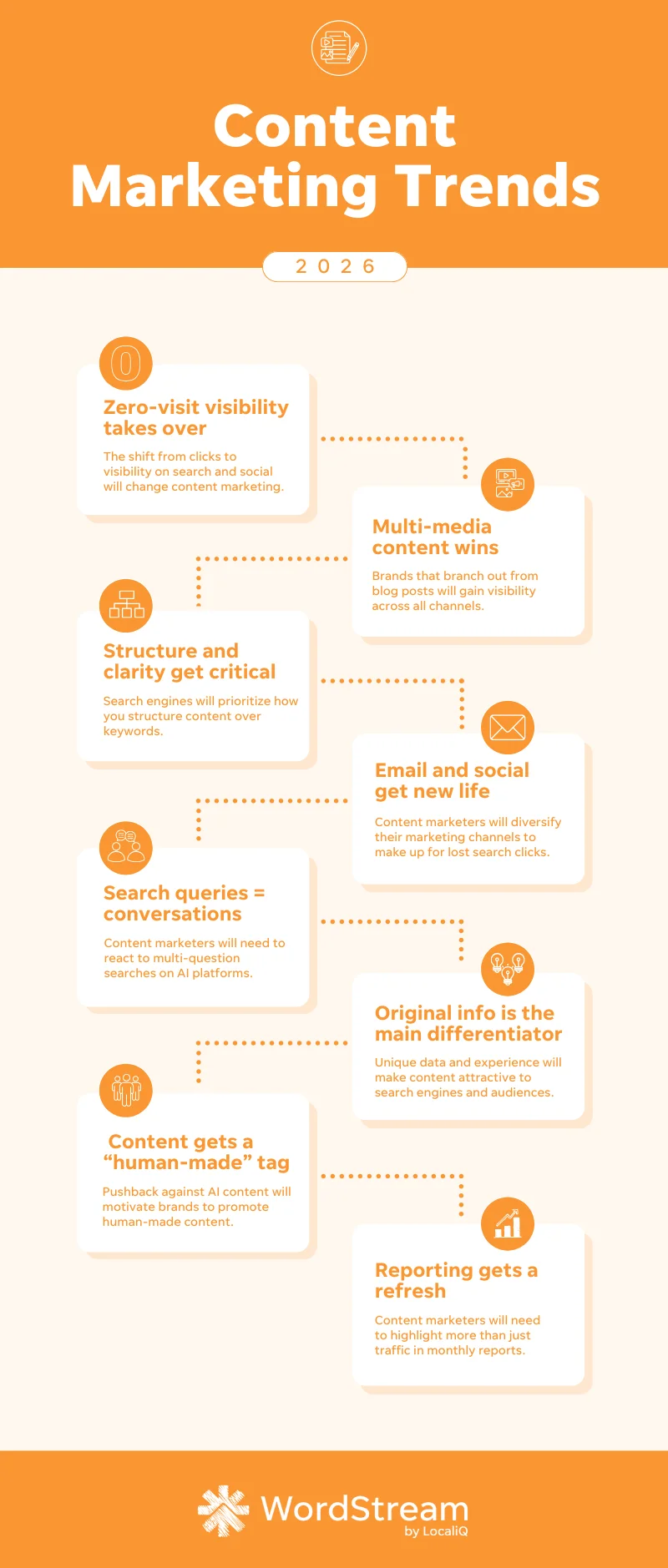
Organic growth has actually transitioned from a secondary marketing objective to the primary financial chauffeur for many digital businesses in 2026. This shift occurred as the expenses of paid acquisition reached a point of lessening returns for lots of markets. Marketing budget plans that as soon as focused on short-term visibility now lean greatly towards developing irreversible information possessions. High-quality inbound product acts as a digital storefront that does not require a daily rent payment to browse engines or social media platforms. When companies focus on high-grade information assets, they are effectively developing equity in their brand instead of simply buying short-term attention.
The financial mathematics for incoming marketing has changed considerably over the last few years. In 2026, the average cost per click in competitive sectors has actually increased to levels that make continual revenue margins difficult to maintain through marketing alone. The return on investment for natural strategies is now determined through the lens of long-term possession value. A single piece of authoritative material can create leads for several years, whereas an advertisement stops existing the minute the spending plan goes out. This distinction in between "rented" and "owned" media is the foundation of contemporary financial planning in the marketing sector.
Expertise in Asia Virtual Solutions Writing remains a high priority for companies going for market leadership. By developing authority early, these companies reduce their future customer acquisition costs. The initial financial investment in deep research study and expert-level production might seem high at the start, but when that cost is amortized over the countless visitors it attracts over a number of years, the expense per lead becomes a fraction of what a paid campaign would require. This compounding result is why organic development remains the most sustainable course for services aiming to scale without a direct increase in their marketing spend.
Attribution Designs and the Financial Impact of Digital Assets
Determining the success of material in 2026 needs more than taking a look at simple traffic numbers. Advanced attribution designs now track the entire course a user takes before transforming. Data shows that users often connect with 4 or five different pieces of informative material before they even consider a purchase. This multi-touch procedure makes the ROI of individual posts harder to find at very first glimpse, but the aggregate effect is undeniable. Companies that invest in constant, top quality production see a shorter sales cycle because the content manages the heavy lifting of education and trust-building before a sales representative even goes into the discussion.
Modern business discover Asia Virtual Solutions Search Exposure Services to be a main source of certified traffic. When users discover answers to complicated concerns through a particular brand name, they associate that brand name with reliability. In 2026, this association is the most valuable currency in the digital marketplace. Conversion rates for organic leads are normally three to five times higher than those from cold outreach or display screen ads. This higher conversion rate significantly enhances the overall ROI, as the organization spends less time and cash chasing leads that are not all set to buy. Rather, the content filters the audience, drawing in only those who have an authentic need for the specific know-how being provided.
Reducing Client Churn Through Educational Content
ROI is not practically the first sale. In 2026, the focus has expanded to consist of client retention and life time worth. High-quality incoming material plays a considerable part in the post-purchase experience. When a customer can discover comprehensive guides, repairing tips, and advanced usage strategies easily, they are far less most likely to desert the product and services. This minimizes the problem on consumer assistance teams and increases the possibility of contract renewals. The expense of keeping an existing consumer is much lower than the cost of finding a brand-new one, making the instructional worth of content a key part of the profit-and-loss declaration.
The technical accuracy of specialized content strategies also affects how search engines categorize a brand name. Algorithms in 2026 focus on "details gain"-- the concept that a piece of material need to add something new to the internet instead of simply rehashing what is currently there. High-quality production focuses on initial information, distinct case research studies, and specialist interviews. This individuality is what secures leading rankings. When a brand consistently offers new value, it ends up being a center for its market, leading to natural backlink growth and more increasing its natural reach without extra financial output.
The Expense of Low-Quality Production in the 2026 Market
While the ROI of premium product is high, the "return" on low-quality, automated, or generic material has plummeted to near zero. Browse filters and user apprehension are at an all-time high in 2026. Users can identify AI-generated filler or surface-level summaries within seconds. If a brand name releases mediocre material, it does more than just fail to attract leads-- it actively harms the brand name's track record. The monetary loss here is twofold: the wasted production spending plan and the loss of possible trust from the audience. In the existing market, it is much better to publish one extraordinary piece of material each month than to publish thirty mediocre pieces.
Success frequently depends on Asia Virtual Solutions in 2026 as a core part of the marketing mix. This localized or specific focus guarantees that the content reaches the specific group that will find it helpful. Broad, generic topics are too competitive and frequently attract the incorrect kind of visitor. By narrowing the focus and increasing the quality, businesses can dominate particular niches. This dominance causes a "winner-take-most" scenario where the leading authority in a niche catches the large majority of the organic traffic, leaving rivals to battle over the costly leftovers in the paid search area.
Scalability and the Intensifying Interest of Content
One of the most ignored elements of material ROI is its scalability. Unlike a sales group, which can only talk to a certain variety of people per day, a top quality post can be checked out by 10 thousand people simultaneously. It works twenty-four hours a day, across every time zone, without needing a break or a raise. As the library of assets grows, the overall reach of the site expands significantly. This is the compounding interest of marketing. Each brand-new piece of material contributes to the overall authority of the domain, making it simpler for every single subsequent piece to rank and perform.
In 2026, the combination of video, interactive data, and deep-dive long-form text is the standard for high-performance marketing. These formats need more resources to produce, but their capability to keep a user engaged is substantially higher. Longer dwell times and higher engagement signals inform online search engine that the material is important, which safeguards the ranking from rivals. This "defensibility" is a key part of the ROI equation. A possession that remains at the top of the search results for 3 years is infinitely more important than one that remains there for 3 weeks.
Future-Proofing Your Development Technique
The digital environment continues to change, but the human desire for reliable, expert info remains continuous. Services that focus on top quality production are future-proofing their development. They are not depending on the impulses of an ad platform's algorithm or the abrupt boost in bidding rates. Instead, they have a direct line to their audience. This independence provides a level of financial stability that is unusual in the volatile world of digital marketing. When the natural foundation is strong, all other marketing efforts-- from social media to email projects-- end up being more effective due to the fact that they are supported by a base of reliable material.
The ROI of professional information strategy is eventually discovered in the balance sheet. By moving from a mindset of "purchasing leads" to "constructing an audience," business develop a more durable organization design. The transition takes some time and a commitment to quality over amount, but the long-term rewards are clear. Lower acquisition costs, higher conversion rates, and much better consumer retention are the trademarks of a successful inbound strategy in 2026. As competition for attention continues to increase, the worth of being a trusted source of information will just grow, making the current financial investment in top quality content one of the smartest financial relocations a business can make.
Strategic organizers now look at content as a capital expenditure rather than a functional one. This change in point of view motivates the production of better, more long lasting assets. Instead of asking how much a blog post expenses, they ask what the predicted worth of that post will be over the next thirty-six months. When the response is determined in hundreds of qualified leads and a considerable boost in brand authority, the decision to purchase quality ends up being obvious. The companies leading their industries in 2026 are those that understood years ago that the most costly content is in fact the material that nobody checks out, while the most affordable material is the kind that users bookmark, share, and go back to once again and again.