Unified Browse Methods: The Secret to Multi-Channel Success

The Shift Towards Organic Property Acquisition in 2026
Organic development has transitioned from a secondary marketing objective to the main financial driver for the majority of digital businesses in 2026. This shift happened as the costs of paid acquisition reached a point of reducing returns for numerous markets. Marketing budget plans that as soon as prioritized short-term visibility now lean heavily towards constructing permanent info properties. High-quality inbound material functions as a digital store that does not require a daily rent payment to browse engines or social networks platforms. When companies focus on high-grade information assets, they are effectively developing equity in their brand instead of just buying short-lived attention.
The monetary math for inbound marketing has actually altered significantly over the last couple of years. In 2026, the typical expense per click in competitive sectors has actually increased to levels that make sustained profit margins tough to keep through marketing alone. The return on investment for natural methods is now measured through the lens of long-lasting possession value. A single piece of reliable content can create leads for several years, whereas an ad stops existing the moment the budget plan goes out. This distinction between "rented" and "owned" media is the foundation of modern-day monetary planning in the marketing sector.
Knowledge in Asia Virtual Solutions Tips stays a high priority for firms going for market leadership. By establishing authority early, these companies lower their future client acquisition costs. The preliminary investment in deep research and expert-level production might seem high at the start, however when that cost is amortized over the countless visitors it attracts over numerous years, the expense per lead ends up being a portion of what a paid project would require. This compounding effect is why natural development remains the most sustainable course for services aiming to scale without a linear increase in their marketing spend.
Attribution Models and the Financial Effect of Digital Assets
Measuring the success of material in 2026 needs more than looking at simple traffic numbers. Sophisticated attribution models now track the entire course a user takes before converting. Information shows that users frequently engage with four or five different pieces of useful material before they even consider a purchase. This multi-touch procedure makes the ROI of private short articles harder to spot at very first glance, however the aggregate impact is indisputable. Companies that purchase consistent, premium production see a much shorter sales cycle since the material manages the heavy lifting of education and trust-building before a sales agent even enters the conversation.
Modern companies discover Asia Virtual Solutions Better Web Content to be a primary source of qualified traffic. When users discover responses to complex questions through a specific brand, they associate that brand name with dependability. In 2026, this association is the most important currency in the digital marketplace. Conversion rates for organic leads are normally three to five times greater than those from cold outreach or display ads. This greater conversion rate considerably enhances the overall ROI, as business spends less time and cash chasing leads that are not prepared to purchase. Instead, the content filters the audience, drawing in just those who have a genuine requirement for the specific competence being used.
Lowering Customer Churn Through Educational Material
ROI is not almost the very first sale. In 2026, the focus has actually expanded to include client retention and life time value. High-quality incoming material plays a substantial part in the post-purchase experience. When a consumer can discover detailed guides, repairing tips, and advanced usage methods quickly, they are far less most likely to abandon the service or product. This reduces the burden on consumer assistance groups and increases the possibility of contract renewals. The cost of maintaining an existing customer is much lower than the expense of discovering a brand-new one, making the academic value of content a crucial part of the profit-and-loss statement.
The technical precision of specialized content strategies also affects how online search engine categorize a brand name. Algorithms in 2026 focus on "information gain"-- the idea that a piece of material must include something new to the internet rather than simply reworking what is already there. High-quality production concentrates on original information, distinct case studies, and expert interviews. This originality is what secures leading rankings. When a brand consistently offers brand-new worth, it becomes a hub for its market, causing natural backlink development and further increasing its natural reach without extra monetary output.
The Expense of Low-Quality Production in the 2026 Market
While the ROI of premium material is high, the "return" on low-quality, automated, or generic content has plummeted to near absolutely no. Search filters and user skepticism are at an all-time high in 2026. Users can spot AI-generated filler or surface-level summaries within seconds. If a brand releases average content, it does more than just fail to bring in leads-- it actively harms the brand name's credibility. The financial loss here is twofold: the wasted production budget and the loss of possible trust from the audience. In the current market, it is much better to release one remarkable piece of content per month than to publish thirty mediocre pieces.
Success frequently depends on Asia Virtual Solutions for SEO Marketers as a core element of the marketing mix. This localized or specialized focus ensures that the content reaches the exact demographic that will discover it helpful. Broad, generic topics are too competitive and frequently draw in the incorrect type of visitor. By narrowing the focus and increasing the quality, services can dominate specific niches. This dominance leads to a "winner-take-most" situation where the top authority in a specific niche records the huge majority of the organic traffic, leaving rivals to combat over the pricey leftovers in the paid search space.
Scalability and the Compounding Interest of Content
One of the most overlooked aspects of material ROI is its scalability. Unlike a sales team, which can just speak with a specific number of individuals per day, a high-quality article can be checked out by ten thousand individuals all at once. It works twenty-four hours a day, throughout every time zone, without needing a break or an income increase. As the library of properties grows, the overall reach of the site broadens tremendously. This is the intensifying interest of marketing. Each brand-new piece of content adds to the total authority of the domain, making it simpler for every subsequent piece to rank and carry out.
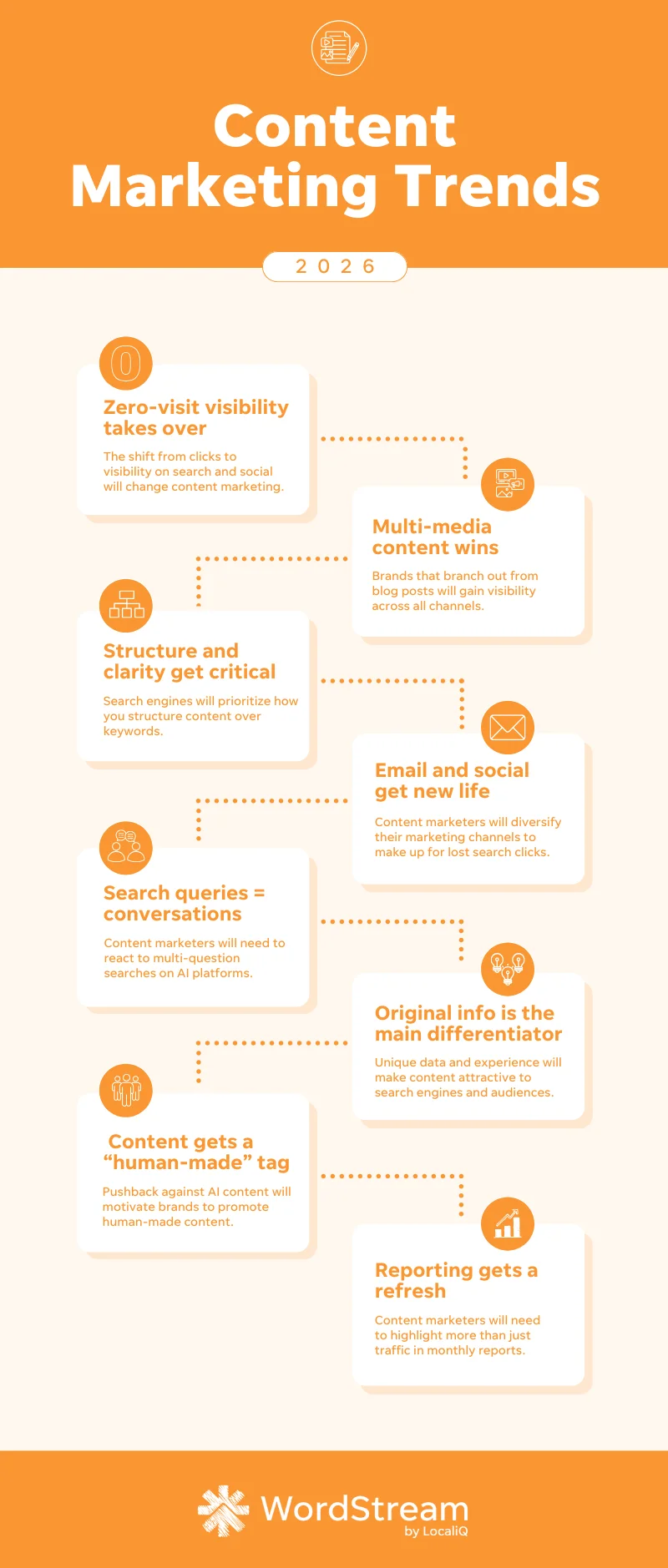
In 2026, the integration of video, interactive data, and deep-dive long-form text is the requirement for high-performance marketing. These formats require more resources to produce, however their capability to keep a user engaged is considerably greater. Longer dwell times and higher engagement signals tell online search engine that the material is valuable, which protects the ranking from rivals. This "defensibility" is a crucial part of the ROI formula. A property that remains at the top of the search results for three years is definitely more valuable than one that remains there for 3 weeks.
Future-Proofing Your Development Strategy
The digital environment continues to change, however the human desire for reliable, expert details stays consistent. Companies that prioritize high-quality production are future-proofing their growth. They are not dependent on the impulses of an advertisement platform's algorithm or the abrupt increase in bidding costs. Instead, they have a direct line to their audience. This independence supplies a level of financial stability that is unusual in the volatile world of digital marketing. When the natural structure is strong, all other marketing efforts-- from social networks to email projects-- end up being more effective since they are supported by a base of authoritative product.
The ROI of professional information strategy is ultimately discovered in the balance sheet. By moving from a frame of mind of "purchasing leads" to "building an audience," business produce a more resistant service model. The shift takes some time and a commitment to quality over quantity, however the long-term rewards are clear. Lower acquisition costs, greater conversion rates, and much better client retention are the hallmarks of an effective inbound strategy in 2026. As competitors for attention continues to increase, the worth of being a relied on source of details will only grow, making the existing investment in high-quality content among the most intelligent financial moves a business can make.
Strategic coordinators now look at content as a capital spending instead of a functional one. This change in viewpoint motivates the production of much better, more resilient assets. Instead of asking just how much a post costs, they ask what the projected worth of that post will be over the next thirty-six months. When the answer is measured in numerous qualified leads and a considerable boost in brand authority, the decision to invest in quality becomes apparent. The companies leading their industries in 2026 are those that understood years ago that the most pricey content is in fact the content that no one checks out, while the most cost-effective content is the kind that users bookmark, share, and return to once again and again.