Semantic Optimization: A New Era for Professional Brands
The Fragmented Browse Terrain of 2026
Search behavior in 2026 has moved far beyond the conventional text box. Users no longer depend on a single gateway to find info, items, or regional services. Instead, the path to discovery is scattered across numerous platforms, consisting of generative AI interfaces, vertical search engines, and social networks discovery tools. This fragmentation requires a shift in how natural development is managed. Success in 2026 depends upon the ability to preserve exposure where the user chooses to begin their search, whether that is a voice-activated assistant, a video platform, or a specialized marketplace.

The standard concentrate on blue links in online search engine results pages has actually lessened as AI-generated overviews take up more genuine estate. In 2026, the goal is frequently to end up being the mentioned source within these AI responses. This includes structuring data in a method that big language designs can easily parse and credit. Numerous marketing groups are increasing their financial investment in Asia Virtual Solutions Basics to catch fragmented traffic that may otherwise bypass a basic site listing. By concentrating on entity-based SEO rather than simple keyword matching, brand names can develop themselves as authorities within a specific niche, guaranteeing they appear in the manufactured answers offered by contemporary search tools.
Multi-Platform Material Circulation and Modular Style
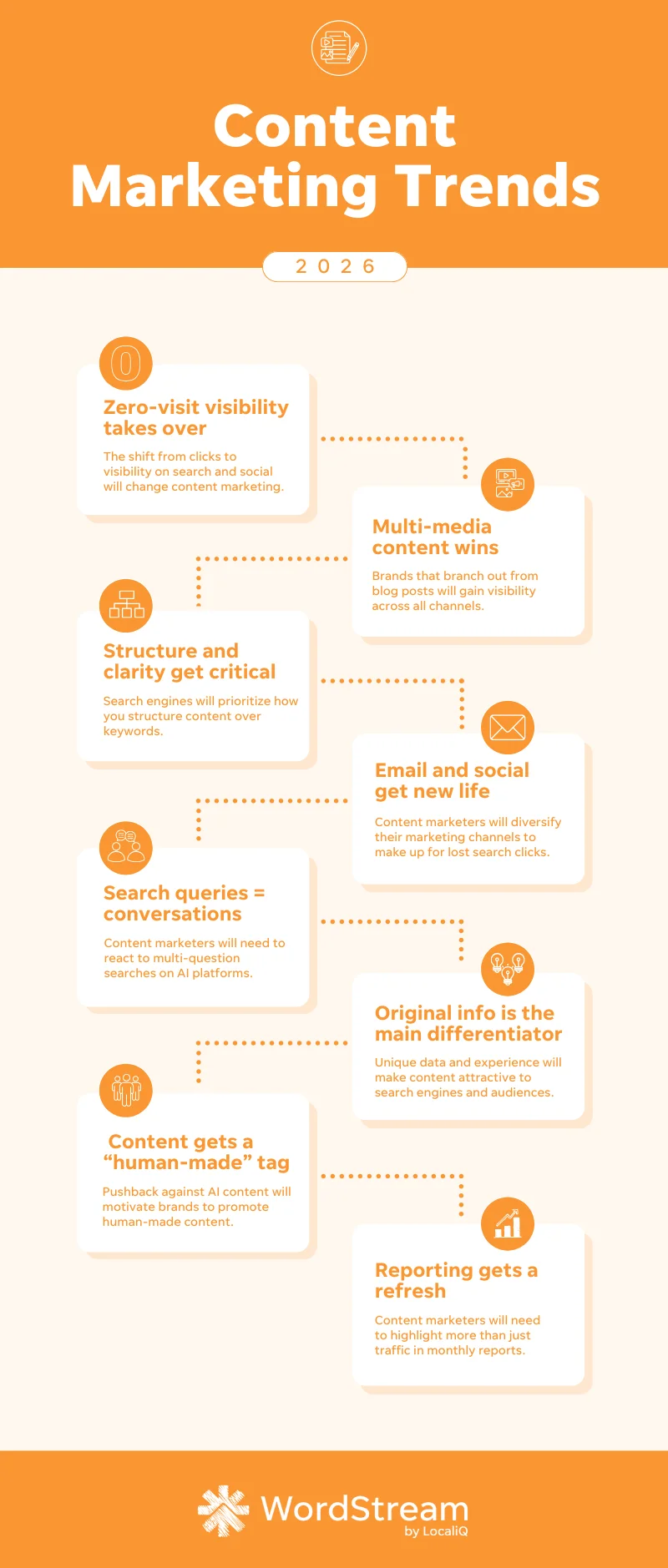
Material production in 2026 is no longer about composing a single long-form post and hoping it ranks. It has to do with developing a modular content library that can be adapted for numerous environments. A single piece of research study or a detailed guide must be broken down into short-form video scripts, information visualizations for social search, and structured snippets for AI engines. This technique makes sure that the core message reaches users regardless of their preferred platform. Using specialized content frameworks permits for this kind of scale without losing the original intent of the message.
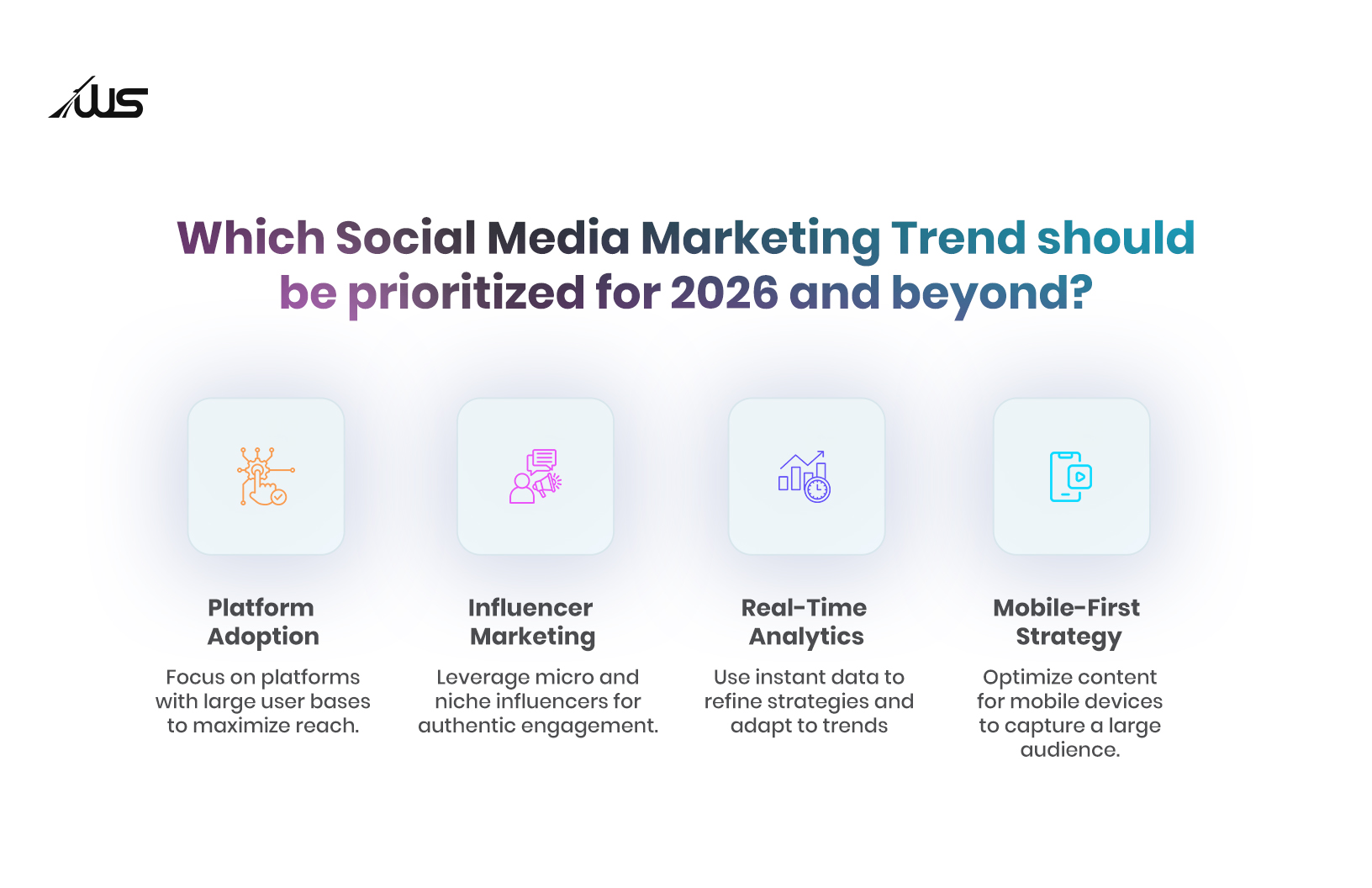
Social media platforms like TikTok and Pinterest have actually matured into full-fledged search engines for younger demographics. In 2026, these users seldom go to a conventional online search engine for inspiration or item reviews. They use visual and social signals to direct their decisions. For a business to stay appropriate, its organic strategy must include premium, searchable video content. This implies enhancing video titles, descriptions, and even the spoken words within the media for platform-specific algorithms. Asia Virtual Solutions Search Term Management is a primary chauffeur for continual visibility in these visual-first environments, assisting to bridge the gap in between discovery and conversion.

Developing Authority in the Era of Generative AI
The increase of AI search has actually made E-E-A-T (Experience, Competence, Authoritativeness, and Reliability) more considerable than ever. In 2026, online search engine and AI designs prioritize content that shows clear human experience and confirmed knowledge. Generic, AI-written filler material has actually lost its effectiveness because it does not have the unique insights that algorithms now seek. Brand names are finding that first-person narratives, original case studies, and exclusive data are the only ways to stay ahead of the automated competitors. The inclusion of verified expert insights within every piece of material helps signal to online search engine that the information is both precise and original.
Trust is also built through external recognition. Citations from trusted news outlets, academic papers, and industry-specific directory sites bring tremendous weight in 2026. This isn't almost conventional link building any longer. It is about being pointed out as an authority in the "understanding chart" that AI designs utilize to comprehend the world. The rising demand for Asia Virtual Solutions in 2026 reflects a wider trend toward localized intent and particular proficiency that generic AI responses can not constantly replicate. When a brand is regularly referenced throughout different high-authority platforms, it acquires a "trust rating" that protects its rankings even when search algorithms undergo substantial updates.
The Death of Keyword Density and the Rise of Intent Mapping
By 2026, the idea of keyword density has become an artifact of the past. Modern search algorithms utilize semantic understanding to understand the intent behind a query, even if the specific words do not match. This has actually led to a focus on "topic clusters" and "semantic webs." Instead of targeting a single phrase, content creators look at the whole universe of concerns and needs surrounding a topic. They construct out deep, interconnected pages that answer every possible user concern. This approach ensures that a site ends up being the go-to resource for a subject, instead of simply a collection of detached blog site posts.
Information from 2026 shows that users are more likely to remain on a site that provides a logical progression of details. If a user look for a specific problem, they ought to discover an instant response followed by deeper dives into associated sub-topics. This internal linking structure is an essential signal for search engines. It reveals that the website has a thorough information architecture that supports the user's entire discovery process. This long-lasting engagement is now a major ranking element, as search engines move away from easy click-through rates toward more intricate metrics like "details fulfillment."
Technical Integration and Information Sovereignty
The technical side of search has also evolved. In 2026, page speed and mobile responsiveness are baseline requirements, however brand-new factors like Schema 2.0 and decentralized web procedures have emerged. Marketers must ensure that their technical setup allows for seamless crawling by both conventional bots and more recent AI agents. This typically involves using server-side rendering and edge computing to deliver content immediately to any device. Without a strong technical structure, even the best content will stop working to reach its desired audience in a progressively competitive digital area.
Personal privacy guidelines have actually also altered how information is collected and utilized for organic growth methods. With the overall phase-out of third-party cookies by 2026, first-party information has become the most valuable property a company can own. Organic search is a primary method to gather this information by offering high-value content in exchange for direct engagement. This develops a sustainable loop where organic traffic feeds a brand's internal database, which in turn enables more tailored and reliable material marketing. The usage of privacy-first data models guarantees that growth is compliant with global guidelines while still supplying the insights needed to improve search strategies.
The Role of Voice and Ambient Search
Voice search has actually moved from basic commands to complex, multi-turn discussions. In 2026, lots of individuals connect with the web through clever glasses, hearables, and home systems that don't constantly have a screen. This "ambient search" needs a different optimization method. Content must be written in a conversational tone that sounds natural when read aloud. It likewise needs to be concise, supplying a direct response in the very first couple of sentences before using more detail. This "inverted pyramid" design of composing is vital for capturing the top spot in voice search engine result.
Since ambient search typically takes place on the go, local intent is extremely focused on. An individual asking their clever glasses for a service provider expects an answer that considers their present area and instant availability. This makes regional SEO a critical part of a multi-channel strategy. Making sure that all regional listings are updated and that the website uses location-specific schema helps services record this high-intent, immediate traffic. In 2026, the brands that win are the ones that supply the most friction-less path from a spoken question to a real-world solution.
Adapting to the Future of Discovery
The integration of search across multiple channels is not a one-time task but a constant process of adjustment. As new platforms emerge and AI models develop, the strategies utilized for organic development needs to also change. The secret is to stay focused on the user's requirements while being versatile adequate to adopt new technologies. Those who can stabilize the technical requirements of modern-day search with the human element of high-quality storytelling will see the most success. By 2026, the lines in between SEO, social networks, and AI interaction have blurred, producing a single, unified discipline focused on discovery and authority.