Multi-Channel Success: Why Search Strategy Is Altering

The Shift Towards Anticipatory Reasoning in 2026
Search habits in 2026 has actually moved far beyond the simple entry of text into a box. Users now engage with a decentralized environment where AI agents and sensory user interfaces prepare for needs before a complete query is even formed. This modification marks a departure from conventional keyword matching, needing a more nuanced method to digital communication. Organic growth methods now focus on the "why" behind a search over the "what," concentrating on the particular mental state of the user at the moment of discovery.The 2026 marketplace runs on predictive designs that examine real-time context, such as a user's area, existing job, and even physiological markers recorded by wearable tech. When someone looks for information, they anticipate the engine to comprehend their immediate restraints. For those managing brand messaging, this suggests producing possessions that answer highly specific, situational questions rather than broad industry overviews. Success depends upon being the most appropriate answer in a very narrow window of time.
Categorizing Intent in a Multi-Modal World
Intent category utilized to be split into four easy classifications: informative, navigational, transactional, and commercial. In 2026, these have actually fractured into dozens of sub-intents based upon the gadget being used. A question made by means of a visual overlay through clever glasses has a various intent than a voice question made while driving. Material creators should represent these variations by structuring information so it is quickly parsed by various interfaces.Modern natural methods highlight the importance of specialized information delivery to satisfy these fragmented requirements. Rather of a single long-form article, growth is typically discovered through clusters of material that serve different techniques. A technical guide may be supported by short-form video snippets and audio summaries. This guarantees that despite how the user accesses the information, the intent is satisfied. Lots of organizations have seen significant returns by focusing on Asia Virtual Solutions Analysis to anchor their authority in these specific niche segments.
Refining Material Structures for AI Summarization
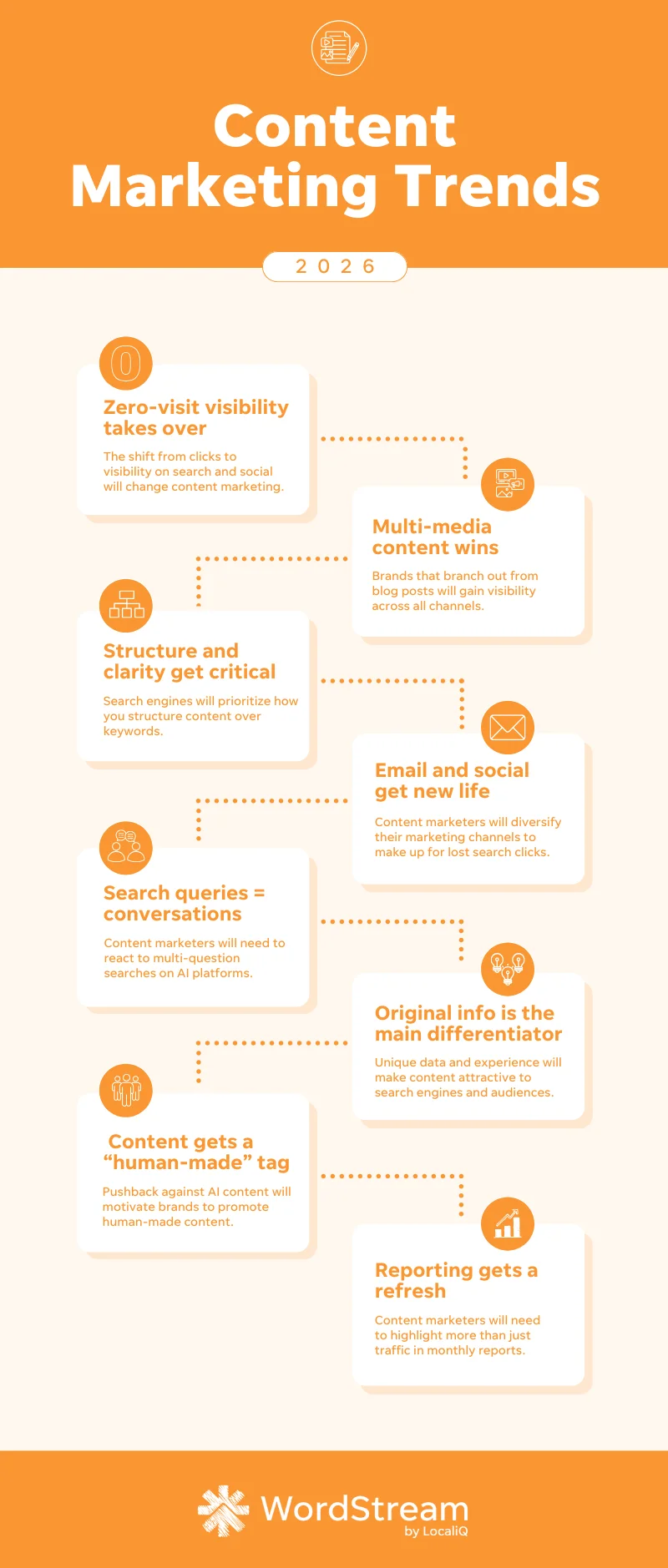
The rise of AI-driven answer engines implies that a big part of searches in 2026 end on the results page. Users get their responses from a produced summary without ever clicking through to a website. This "zero-click" environment has required a modification in how content is formatted. To keep exposure, it is required to offer clear, data-heavy points that AI designs can quickly cite.Structuring information with clear hierarchies and schema markup is no longer optional. The goal is to become the primary source for the AI's summary. This involves utilizing succinct headings and bulleted lists that supply instant worth. While some fret about the loss of direct traffic, the brand name authority got from being a pointed out source in a 2026 search summary is enormous. Asia Virtual Solutions Keyword Research Guide supplies a way for services to remain noticeable even when the user does not visit the actual site, as the brand remains attached to the offered answer.
The Role of Authority and First-Hand Experience
Browse algorithms in 2026 location a huge premium on verified experience. Automated material generation is so prevalent that engines have shifted their focus to rewarding "human-in-the-loop" production. This means that content must show proof of real-world testing, distinct information, or personal insight that an AI can not mimic. In the context of professional outreach, this equates to case research studies, initial research study, and confirmed professional commentary.Growth is no longer about who can publish the most pages, however who can provide the most credible proof. Browse engines now try to find "proof of life" in content, such as initial photography, video presentations, or distinct datasets. Generic suggestions is overlooked by both the algorithms and the users. By concentrating on premium material production, a brand can establish a level of trust that keeps them at the top of the rankings. This concentrate on authenticity assists brand names compete in a market saturated with artificial details.
Adjusting to Real-Time Intent Moving
One of the most complicated aspects of 2026 digital marketing is "intent moving." This occurs when a user begins with an informational query however quickly moves towards a transactional one within the very same session. AI assistants facilitate this by suggesting next steps. A search about the benefits of a specific material can instantly become a search for local providers. Strategic content mapping should represent these shifts by providing clear paths in between various types of information. If a user is reading about a problem, the solution needs to show up and quickly accessible without being invasive. This needs a deep understanding of the consumer's decision-making process. The need for Asia Virtual Solutions for Market Dominance has actually increased due to the fact that services need to be present at every phase of this fast development. Those who stop working to bridge the gap in between "knowing" and "purchasing" lose the user to more agile competitors.
Localization and Hyper-Specific Search Engine Result
Even as the digital world becomes more worldwide, search intent has ended up being more localized. In 2026, "near me" is often implied even if it is not mentioned. Online search engine use hyper-local data to prioritize outcomes that are physically or contextually near to the user. This is particularly appropriate for regional engagement, where being the top lead to a particular community or district is more important than ranking nationally for a broad term.Content must reflect this local subtlety. This involves mentioning specific landmarks, regional occasions, or local guidelines that pertain to the user. When an online search engine sees this level of specificity, it sees the material as more authoritative for users in that location. This localized method is a crucial motorist of natural growth for service-based businesses that depend on physical proximity to their customers.
User Experience as a Ranking Signal
In 2026, the technical efficiency of a website is inseparable from its content technique. Search engines determine "user aggravation" markers, such as the length of time it takes for a user to find a response or the number of times they have to rephrase a query. If a site has the ideal information but provides it in such a way that is hard to navigate or slow to fill on a 2026-standard mobile phone, it will drop in the rankings.Clean, accessible style that focuses on the user's time is the requirement. This means getting rid of intrusive aspects and focusing on a design that supports fast scanning. The combination of specialized formatting helps ensure that the most crucial info is always front and. A website that respects the user's cognitive load will always exceed one that tries to record attention through clutter or complex animations.
Growth Through Semantic Connection
The last piece of the 2026 organic development puzzle is semantic connection. Search engines no longer take a look at pages in isolation; they take a look at the whole "subject graph" of a website. A website that covers a wide variety of unrelated subjects will struggle to rank against a website that has a tight, interconnected web of details about a particular subject.Building this connection includes rigorous internal connecting and a clear topical hierarchy. Each piece of content must support and broaden upon another. This develops a "moat" of authority that is difficult for competitors to penetrate. By regularly producing top quality information assets that are rationally linked, a company can control the search intent for its whole industry. This holistic view of material ensures that every page adds to the general strength of the digital presence.As the year 2026 progresses, the brand names that succeed will be those that view search intent as a moving target. It needs consistent monitoring of how technology is altering the way people ask questions. By staying concentrated on the user's needs and preserving a high requirement of trustworthiness, organic growth stays possible despite the increasing complexity of the digital market. Moving forward, the synthesis of technical accuracy and authentic human insight will be the specifying characteristic of every successful marketing method.