How Data-Driven Clusters Revolutionize Search Performance

Building Topical Authority with Advanced Data Analytics
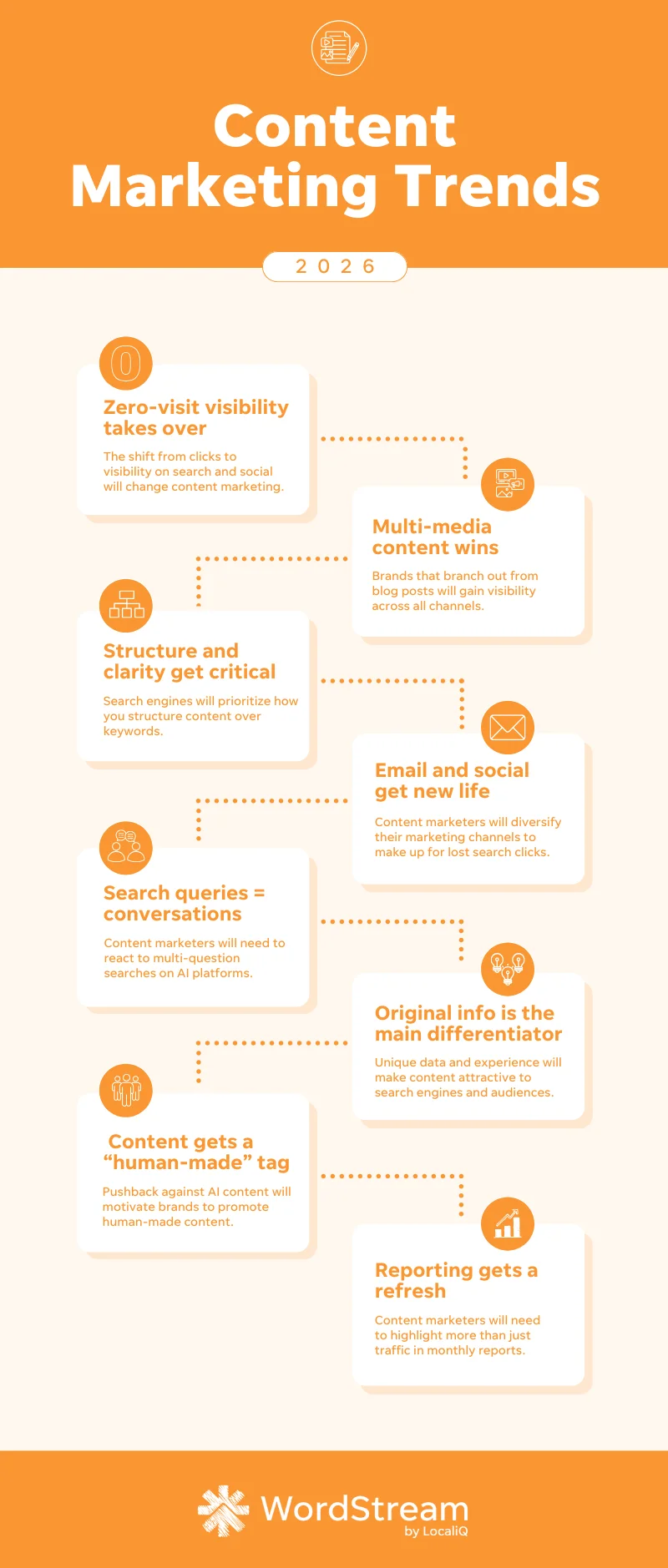
Browse algorithms in 2026 have moved previous simple keyword matching. Success now depends upon how well a site covers a subject from every angle. This method, understood as content clustering, utilizes a central pillar page linked to smaller, specific posts. Data now drives these choices, replacing the uncertainty of previous years. Marketing groups are utilizing first-party search data and user interaction metrics to choose which subjects are worthy of a cluster. By focusing on a particular discipline, a brand name can establish itself as a leader in a specific field, making it harder for rivals to get ground in search engine result.
Digital technique in 2026 focuses on intent rather than volume. High traffic suggests little if the users do not find the specific responses they require. By grouping associated material, a website signals to browse engines that it possesses deep understanding in a specific field. This structure assists search bots understand the relationship between various pages. When a visitor arrive on a cluster page, they are typically directed towards the main pillar, which keeps them on the website longer. This internal movement is a signal to algorithms that the material is important and relevant to the user question.
The Shift Towards Intent-Based Clustering in 2026
Modern data tools allow for a granular take a look at what users really desire. Rather of targeting broad terms, 2026 techniques look at particular problems faced by specific niche audiences. This shift towards specificity needs a more orderly material structure. Clusters supply that company by breaking down broad topics into manageable pieces. Every piece of material in a cluster ought to answer a distinct concern while connecting back to the primary subject. This creates a web of details that pleases both the reader and the online search engine crawler.
Growth typically depends upon Michael Swart Experts to provide a foundation for these clusters. Without a clear data-driven starting point, clusters can end up being untidy and redundant. Redundancy is a significant charge aspect in 2026. Search engines choose a single, authoritative source over numerous shallow pages that say the very same thing. Mapping out the cluster before writing makes sure each post has a distinct purpose. This preparation phase includes looking at search intent information to see where people drop off in their search for responses.
Incorporating Systematic Content Strategy into Pillar Content
Pillar pages serve as the anchor for the whole strategy. These pages are typically long, covering a broad topic in detail without getting bogged down in every small nuance. The nuances are saved for the cluster pages. For example, if a pillar page covers sustainable manufacturing, cluster pages may focus on specific products, regional policies, or supply chain logistics. This keeps the pillar page legible while supplying deep dives for those who require them. It also permits the site to rank for both broad and long-tail search terms at the same time.
Marketing departments now use predictive modeling to see which topics will trend in the coming months. This forward-looking data allows them to construct clusters before the competition captures on. Organizations focusing on Asia Virtual Solutions Educational Content Series find that being first to a specific niche subject supplies a significant benefit in search rankings. Once the authority is established, it ends up being harder for more recent websites to displace the incumbent. The objective is to become the primary source of truth for a specific subject, which causes more natural backlinks and greater trust ratings.
Technical Requirements for Organic Growth in 2026
Internal connecting stays the most vital part of cluster building. Every cluster page need to connect back to the pillar, and the pillar must connect out to the most important cluster pages. This creates a two-way street of authority. If one cluster page carries out well, some of that value takes a trip back to the pillar and after that disperses to the other related pages. This increasing tide result is why clusters are more efficient than standalone posts. It guarantees that the whole area of the website gain from a single viral or high-ranking post.
User signals also play a part in how clusters are ranked. If users regularly bounce from a cluster page back to the search results page, it suggests the material did not meet their needs. Nevertheless, if they click through to the pillar or another associated post, it signifies an effective interaction. Lots of organizations searching for Michael Swart for 2026 prioritize this internal circulation to make sure high engagement rates. Keeping the user within the cluster is the objective, as it shows the site has a deep tank of details that deserves checking out.
Information Sources for Material Architecture
The finest information for constructing clusters comes from within. Site search logs, consumer support tickets, and sales calls provide a wealth of details about what prospective customers are asking. These are real-world concerns that keyword tools may miss. In 2026, social listening tools also offer real-time data on emerging discomfort points within specific industries. Incorporating these insights into the content calendar ensures the brand name remains pertinent. This technique moves far from guessing what individuals want and moves towards answering the questions they are already asking.
- First-party search queries from site-wide search bars that reveal direct user needs.
- Customer feedback loops and common repairing concerns from service departments.
- Competitive gap analysis utilizing AI-assisted auditing tools to discover missing topics in the market.
- Historical performance data of existing posts to identify which subjects have the most prospective for expansion.
The Role of Semantic Search and Entity SEO
In 2026, search engines understand entities-- people, places, and things-- instead of just words. Material clusters assist specify these entities by providing a context that the search engine can classify. If a site writes about a particular technology, the cluster ought to consist of information about its creators, its applications, and its relationship to other technologies. This assists the search engine position the site within a particular understanding chart. Being part of that chart is necessary for appearing in AI-generated search summaries and voice search results page.
Browse engines now try to find Experience, Know-how, Authoritativeness, and Reliability. Clusters are a direct way to demonstrate knowledge. A single short article can be composed by anybody, however a cluster of twenty interconnected short articles shows a depth of knowledge that is difficult to phony. This depth is what constructs long-lasting authority. In 2026, this is more essential than ever because AI-generated material has actually flooded the web with generic details. Deep, data-driven clusters stand apart because they provide specific, high-value insights that generic AI can not replicate without a strong information structure.
Measuring Success in Modern Organic Marketing
Success is no longer determined just by overall traffic. Metrics like topical protection, lead quality, and assisted conversions are more vital. A cluster might not generate countless visitors, however if it brings in the best five hundred people who are prepared to buy, it is a success. Marketing teams use heatmaps and scroll depth information to see how users connect with cluster pages. If individuals are checking out the whole short article and then clicking a link to an associated topic, the cluster is doing its task. These behavioral signals are often more a sign of future ranking success than traditional metrics.
Conversion rate optimization is likewise connected to cluster performance. By directing a user through a sensible progression of information, from a broad subject to a specific service, the website constructs the trust required for a conversion. This is the difference in between a random visitor and a certified lead. A well-structured cluster serves as a funnel, filtering out those who are simply searching and offering in-depth details for those who are serious about the subject. This method leads to a much higher ROI for content production.
Keeping Authority with Regular Content Audits
Topical authority is not a one-time achievement. It needs constant upkeep. As brand-new information appears or industry standards change, clusters need to be updated. A cluster about 2026 regulations will be ineffective by 2027 if it is not revitalized. Routinely refreshing the data and links within a cluster makes sure that search engines continue to see the site as a trustworthy source. Auditing tools can now highlight which parts of a cluster are decaying in performance, permitting targeted updates rather than rewriting whatever from scratch.
The relationship between material and data has never ever been closer. By dealing with every piece of material as a data point in a larger map, brand names can construct an existence that makes it through algorithm changes. Success in 2026 comes from those who can arrange details in a way that is both technically sound and genuinely useful to the end user. Building these clusters requires time and a substantial investment in information analysis, but the resulting organic development provides a stable foundation for long-lasting visibility in a significantly congested digital environment.
Utilizing these methods, companies can move away from the cycle of chasing specific keywords. Rather, they build an asset that grows in value gradually. A cluster that dominates a specific niche topic is a competitive moat that is difficult for others to cross. As search becomes more integrated with AI and individual assistants, having a clear, data-driven structure is the only method to make sure content stays discoverable and reliable. The focus stays on the user, guided by the data, and supported by a rational material architecture.